Emergency Fund in a High-Yield Savings Account: A Safer Bucket Plan
A practical emergency-fund placement guide covering FDIC limits, transfer tests, cash tiers, replenishment, and when not to chase yield.

Updated May 28, 2026. This guide is educational, not individualized financial advice. Rates, account terms, and bank policies change; verify current disclosures before moving money.
An emergency fund has one job: be there when life gets expensive at the worst time. A high-yield savings account can help the cash earn more than a traditional account, but the highest advertised rate is not the whole decision. Access, insurance, bill timing, and your own behavior matter.
The bucket model
| Bucket | Purpose | Where it often fits |
|---|---|---|
| Bill buffer | Prevent overdrafts and missed payments | Checking account |
| Fast emergency cash | Same-week access for repairs, travel, deductible | High-yield savings at an insured bank |
| Extra reserves | Larger job-loss or irregular-income buffer | Separate insured savings, Treasury bills, or CDs if appropriate |
| Not emergency money | Long-term growth | Investment accounts, not first-line cash |

Step 1: separate yield from access
A great emergency account is easy to fund, easy to verify, and boring to withdraw from when needed. If an account pays a slightly higher rate but makes transfers slow, support difficult, or ownership confusing, it may be worse for emergency cash.
Use a two-layer approach. Keep enough in checking to absorb the next rent, mortgage, utilities, groceries, and minimum debt payments. Put the rest in savings where it can earn interest while still being reachable. For households with irregular income, the checking buffer may need to be larger than the usual rule of thumb.
Step 2: verify FDIC coverage and ownership

FDIC insurance is based on insured banks, ownership categories, and limits. The commonly cited standard amount is $250,000 per depositor, per insured bank, for each account ownership category, but details matter. Use the FDIC’s own resources and BankFind tool when you are near limits or using a bank brand you do not recognize.
Do not assume every financial product inside an app is FDIC-insured. Deposit accounts at insured banks are different from securities, crypto, stored-value products, or money moved through intermediaries. If the emergency fund must be safe principal, confirm what institution holds the deposit and how coverage is described.
Step 3: run a transfer test before the emergency

Move a small amount into and out of the account while nothing is urgent. Track how long the transfer takes, whether there are holds, what daily limits apply, and whether the receiving checking account sees the money when expected.
This test reveals annoying details early: external account verification delays, login friction, phone-number changes, debit-card availability, wire cutoff times, or support hours. A transfer that works in theory is less useful if you learn the limits after a car repair is already due.
Step 4: decide when not to chase yield
A higher rate can be worth it, but not if it creates operational risk. Be cautious when:
- The account requires debit-card purchases or direct deposit hoops you will not maintain.
- The bank or fintech relationship makes FDIC coverage hard to understand.
- Transfers out routinely take too long for your real emergencies.
- You are tempted to invest emergency cash because savings rates feel boring.
- The rate bonus expires soon and creates constant account switching.
For emergency money, reliability beats optimization. Chasing an extra fraction of a percent while risking delayed access is usually a bad trade.
Step 5: replenish after use
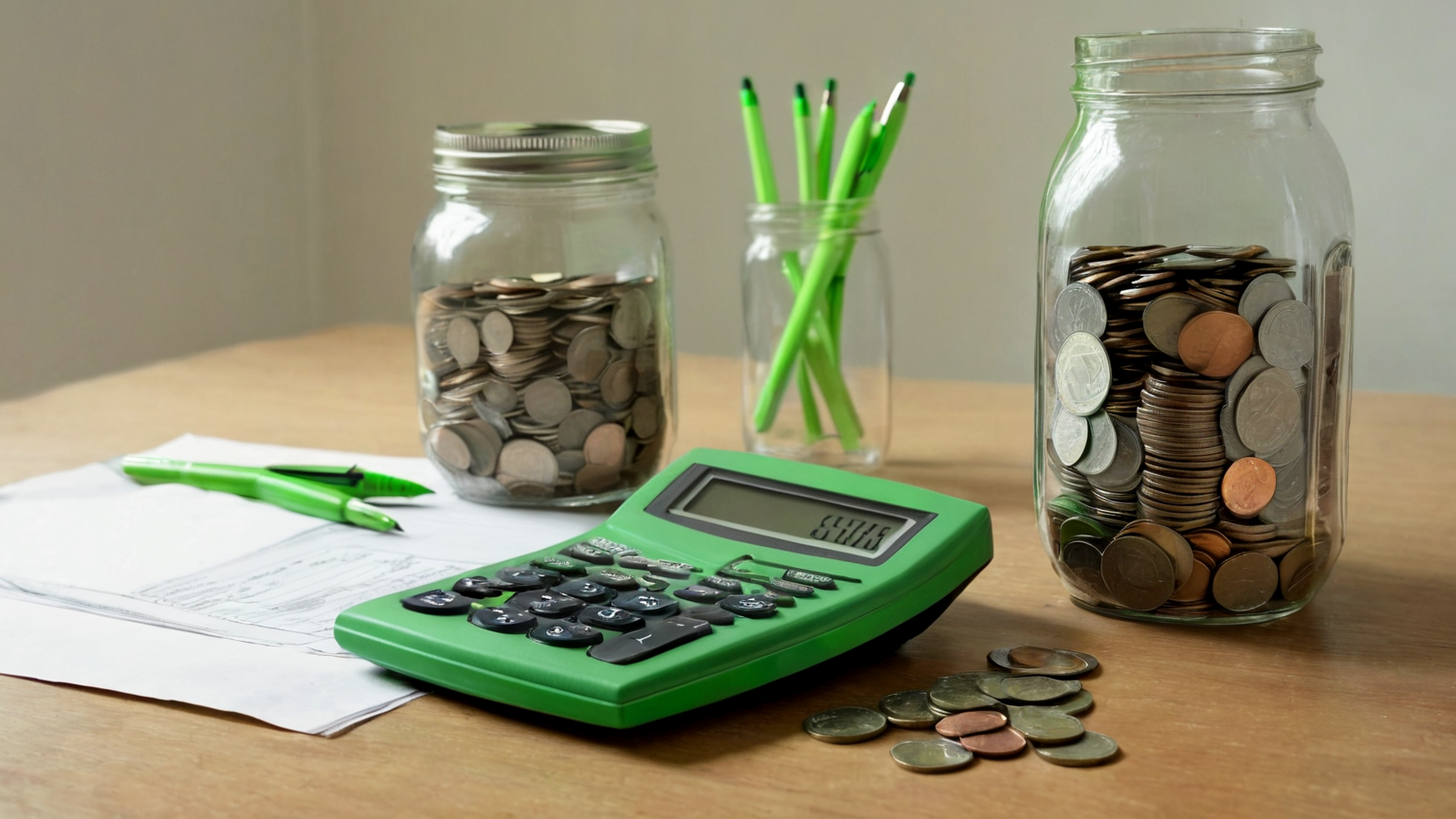
When an emergency happens, the fund did its job. Rebuild it with a plan instead of guilt. Pause optional sinking funds, route a fixed amount from each paycheck, or direct temporary windfalls to the depleted bucket until your minimum buffer is restored.
A useful replenishment rule is staged: first restore checking to a safe bill buffer, then rebuild one month of expenses in savings, then return to your full target. This prevents the household from looking cash-rich in savings while checking is one bill away from overdraft.
Quick setup checklist
- Confirm the bank is FDIC-insured using FDIC resources.
- Check ownership category and balances if you are near insurance limits.
- Keep a checking buffer for bills due before transfers settle.
- Test a small transfer both directions.
- Save login recovery information in a password manager.
- Review the account every quarter for rate, fees, and access changes.
Bottom line
A high-yield savings account can be an excellent home for emergency cash when it is insured, understandable, and tested. Build the fund around access first, then yield. The best emergency account is the one that still works on the stressful day you actually need it.