Debt Collector Contact: Cash-Flow Rights Plan Before You Pay
A practical consumer-finance checklist for handling debt collector calls: verify the debt, protect essential bills, document disputes, and avoid panic payments.
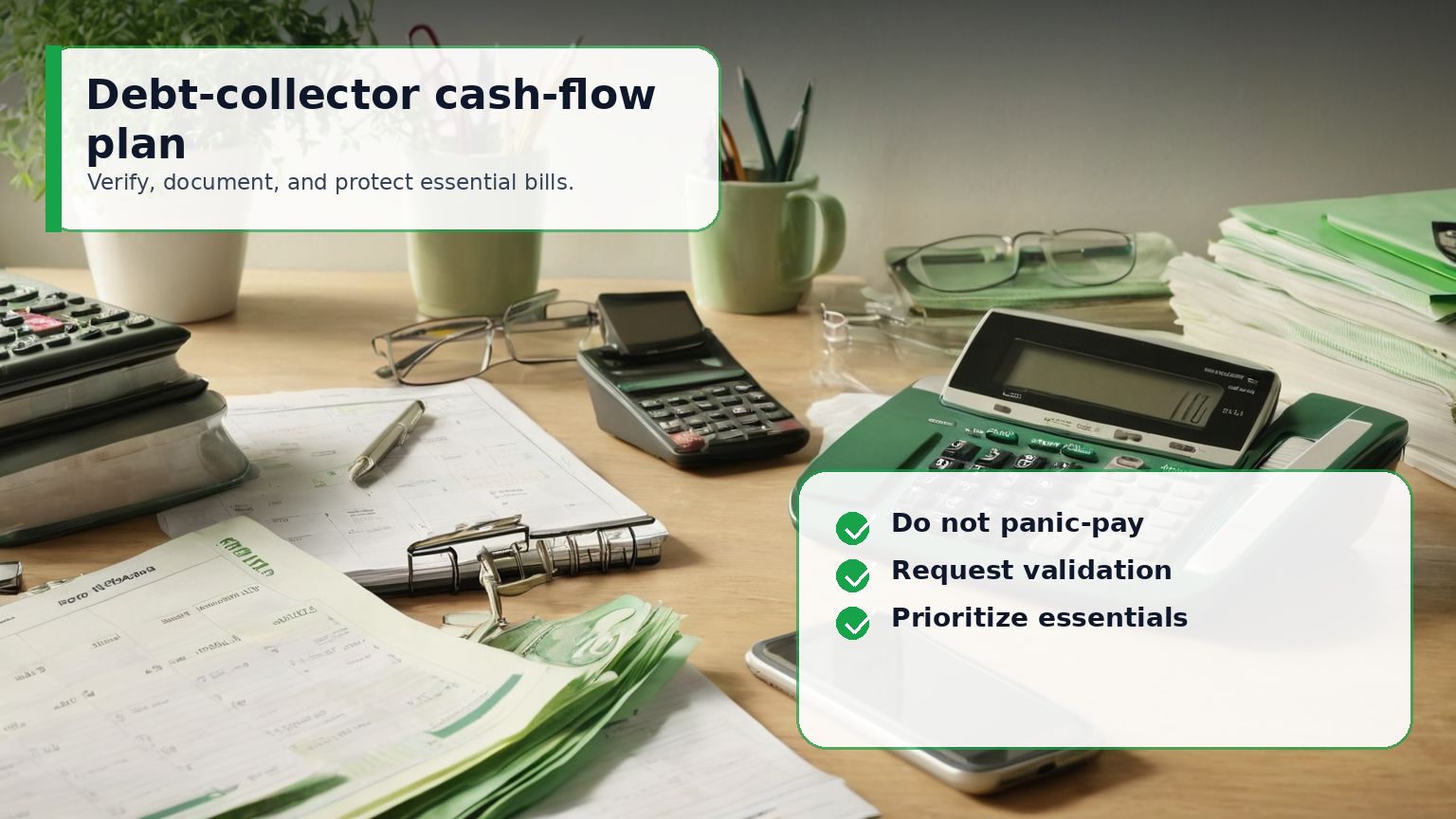
Updated May 26, 2026. A debt-collection contact can create panic, especially when the caller sounds urgent or the amount threatens your budget. The useful response is slower and more documented: verify the collector, protect essential cash flow, request proof, and dispute errors in writing.
This article is not a strategy for ignoring real obligations. It is a plan for avoiding preventable mistakes: paying the wrong party, reviving a disputed balance without understanding it, draining rent money, or relying on a phone conversation you cannot prove later.
The first-call rule
| Action | Do it now? | Why |
|---|---|---|
| Confirm collector name and mailing address | Yes | You need a paper trail |
| Admit the debt is yours | No | Verify first |
| Share bank login or debit card under pressure | No | Protect cash-flow control |
| Ask for validation information | Yes | Proof comes before payment plan |
| Review essential bills | Yes | A plan that breaks rent is not a plan |
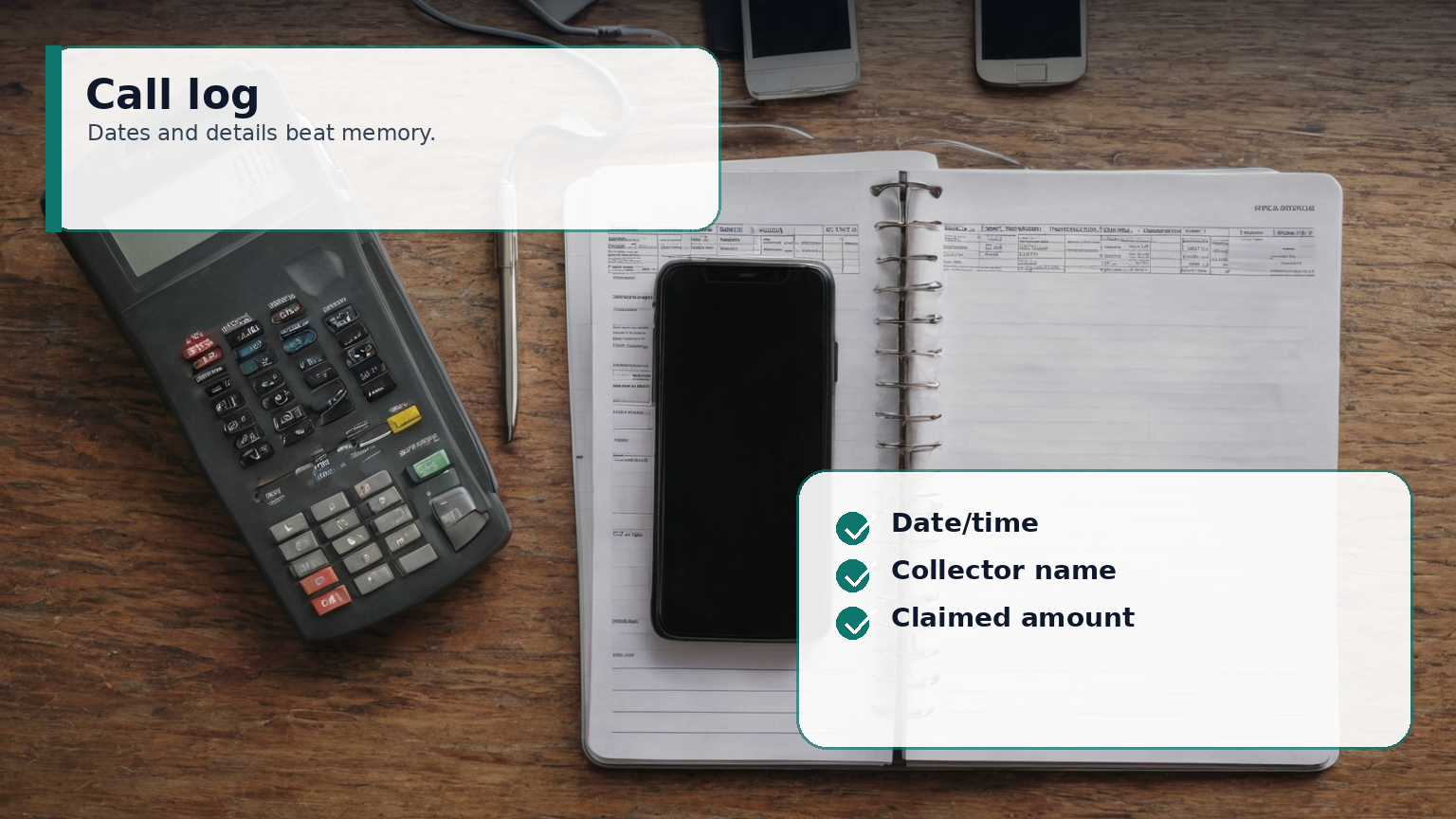
Step 1: capture the conversation without negotiating yet
Write down the date, time, phone number, collector name, company, mailing address, claimed creditor, claimed amount, and any deadline mentioned. If the collector refuses basic identity details, that is a warning sign. Do not provide bank credentials, full Social Security number, or debit-card details to a caller you have not verified.
Step 2: request and read validation information
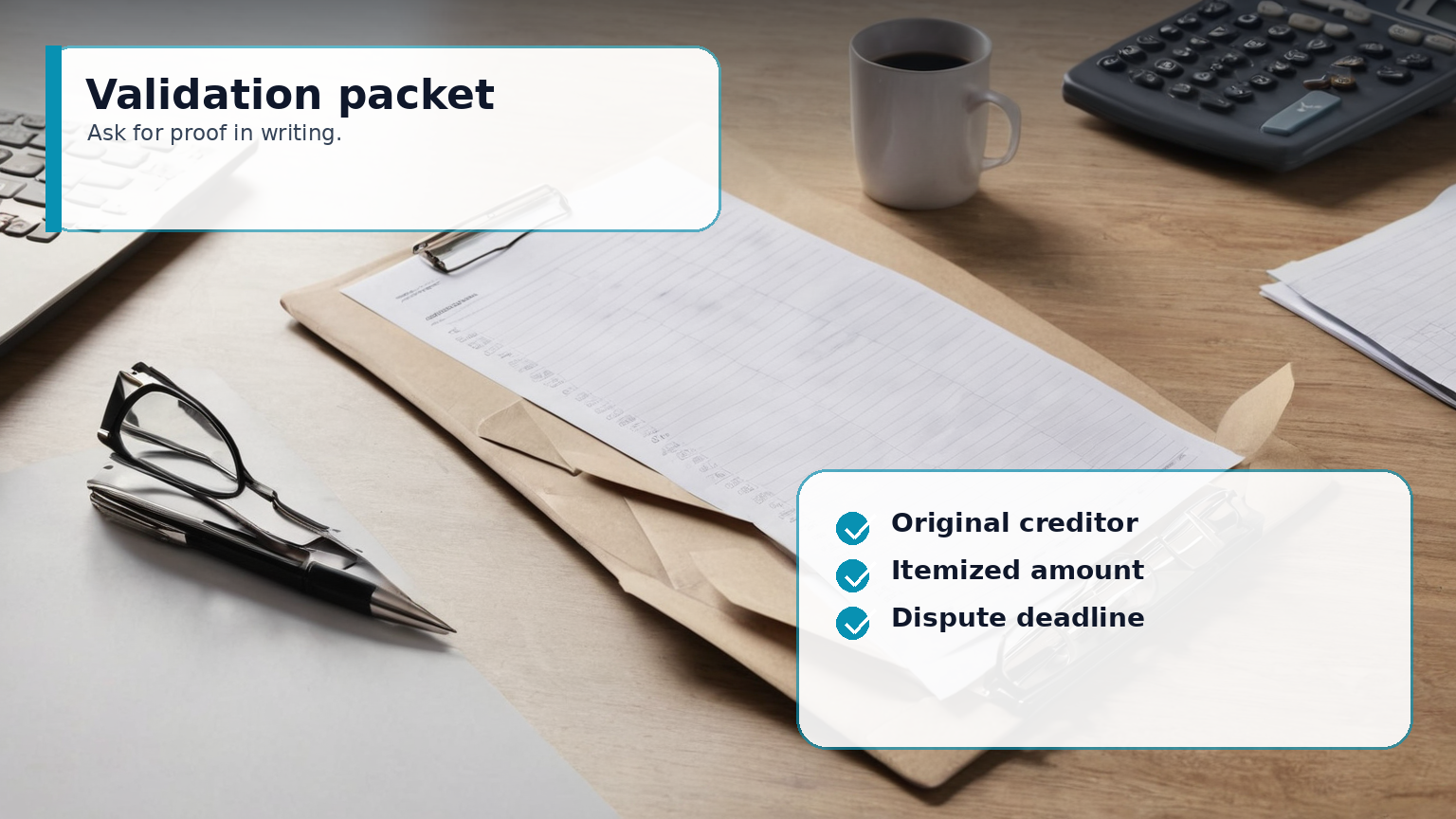
Public CFPB and FTC guidance explains that collectors must provide information about the debt and your rights. Compare that information with your own records: original creditor, account number fragments, last payment date, itemized fees or interest, and whether the balance appears on a credit report.
If something is wrong, dispute it in writing and keep copies. If the debt is not yours, may involve identity theft, or is already paid, your documentation matters more than a long phone debate.
Step 3: protect essentials before offering money
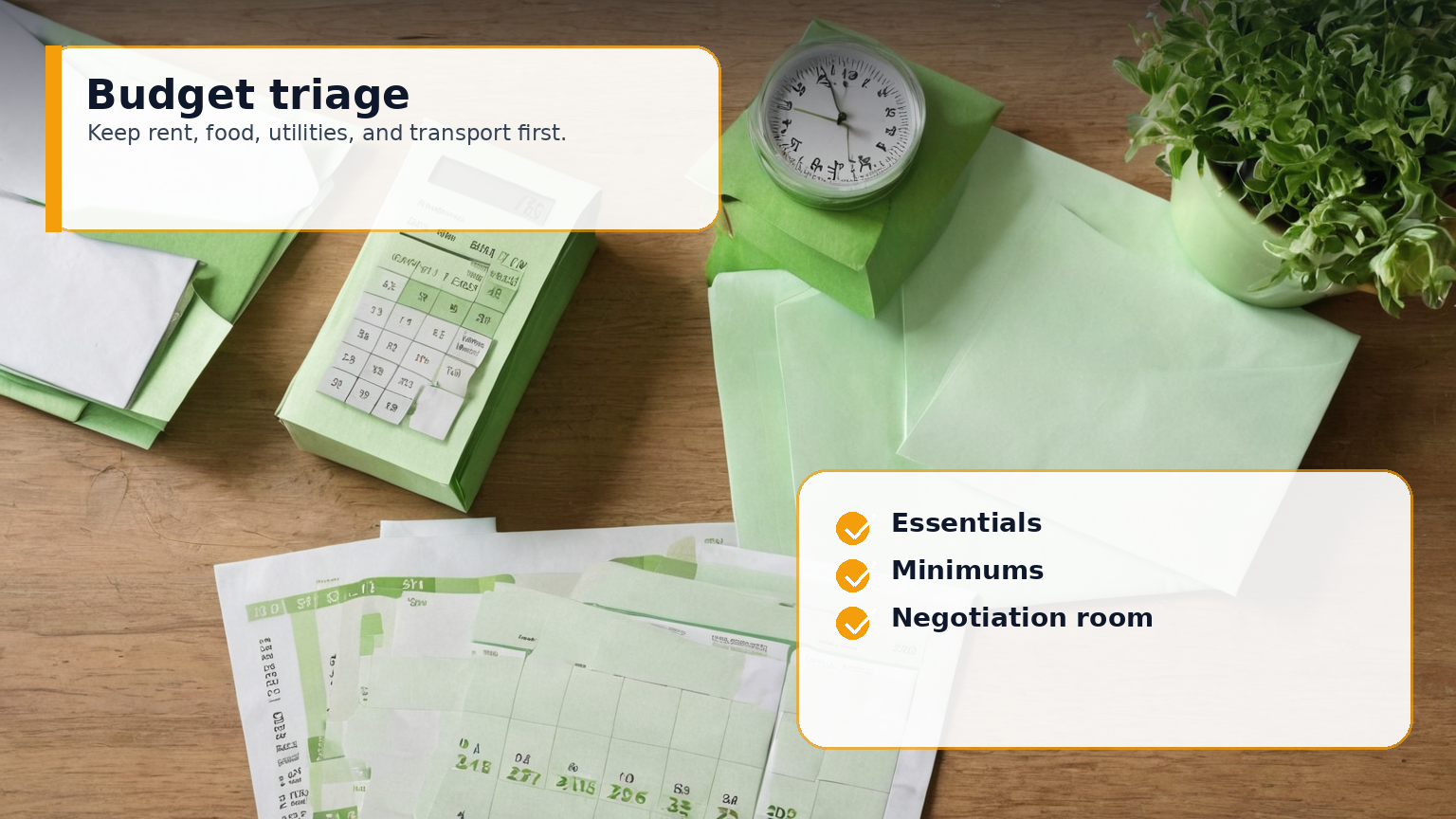
A collector may ask what you can pay today. Your budget should answer only after essentials are protected: housing, food, utilities, medicine, transportation to work, insurance, and minimum obligations that prevent worse damage. Do not give a collector automatic access to an account that also holds rent or payroll money unless you fully understand and control the authorization.
A simple formula:
safe offer = reliable monthly surplus - irregular essentials - emergency buffer
If the safe offer is zero, say you are reviewing the debt and need communication in writing. A bad payment plan that collapses in two weeks creates more stress and may add fees elsewhere.
Step 4: dispute, negotiate, or escalate with records
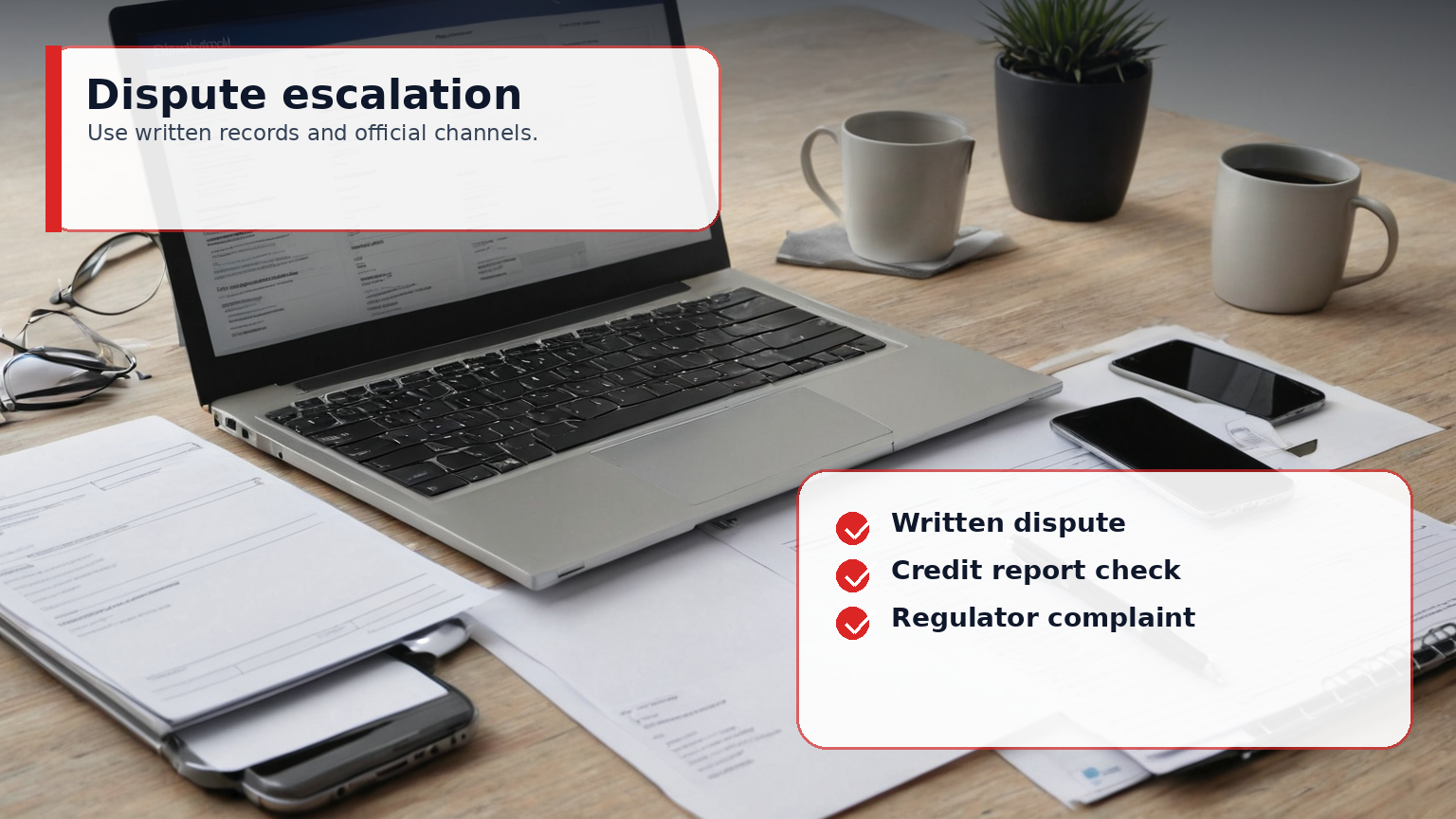
After validation, choose a path:
- Not yours or incorrect: dispute in writing and check credit reports.
- Yours but unaffordable: ask for hardship options or a written payment plan you can sustain.
- Collector behavior seems improper: save records and consider a CFPB complaint or legal help.
- Lawsuit papers arrive: do not ignore them; deadlines are court-specific.
Practical checklist
- Keep every letter, envelope, email, and voicemail.
- Use a separate folder for each collector.
- Never rely on verbal settlement terms; get them in writing.
- Check credit reports for matching or duplicate entries.
- Protect essential bills before optional payments.
- Escalate if you see identity theft, harassment, false threats, or lawsuit papers.
Debt collection is a cash-flow event as much as a legal-rights event. The safest plan verifies first, pays only from a sustainable budget, and keeps records good enough for a stranger to understand later.