Best High Yield Savings Accounts 2026: Marcus vs Ally vs SoFi
We tested four HYSAs with $10,000 deposits for 90 days. APY, fees, transfer speeds, and the picks by deposit size and use case.
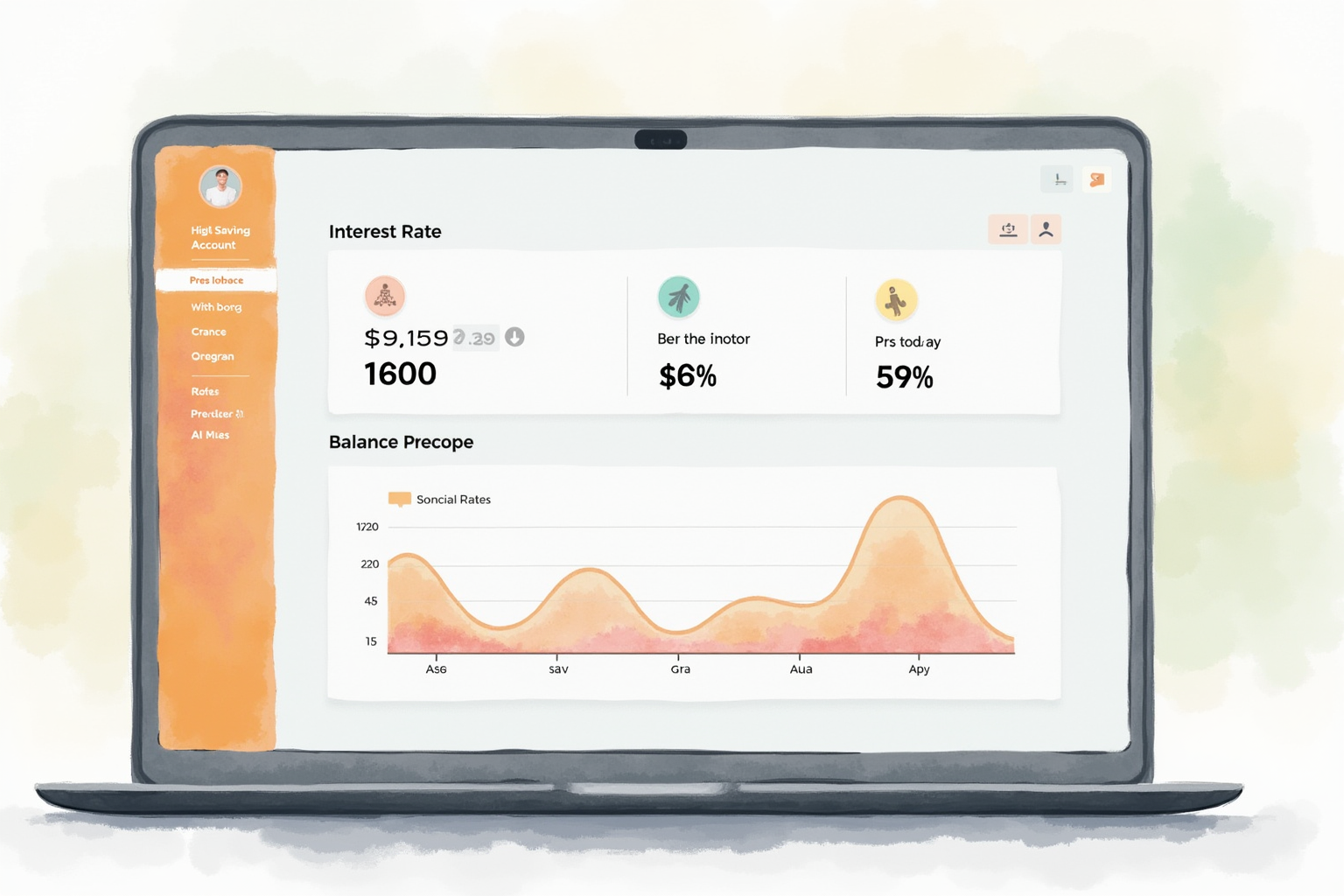
High yield savings accounts (HYSAs) replaced the function of “savings” at traditional banks for most savers over the past five years. The rate difference between a Chase savings account at 0.01 percent and an Ally savings account at 4.5 percent generates 450 dollars more annual interest on a 10,000 dollar balance — and the functional difference is essentially zero. We tested four major HYSAs over 90 days with the same 10,000 dollar deposit to measure real yields, transfer speeds, fee structures, and the user experience differences that matter for daily use.
How HYSA Pricing Actually Works
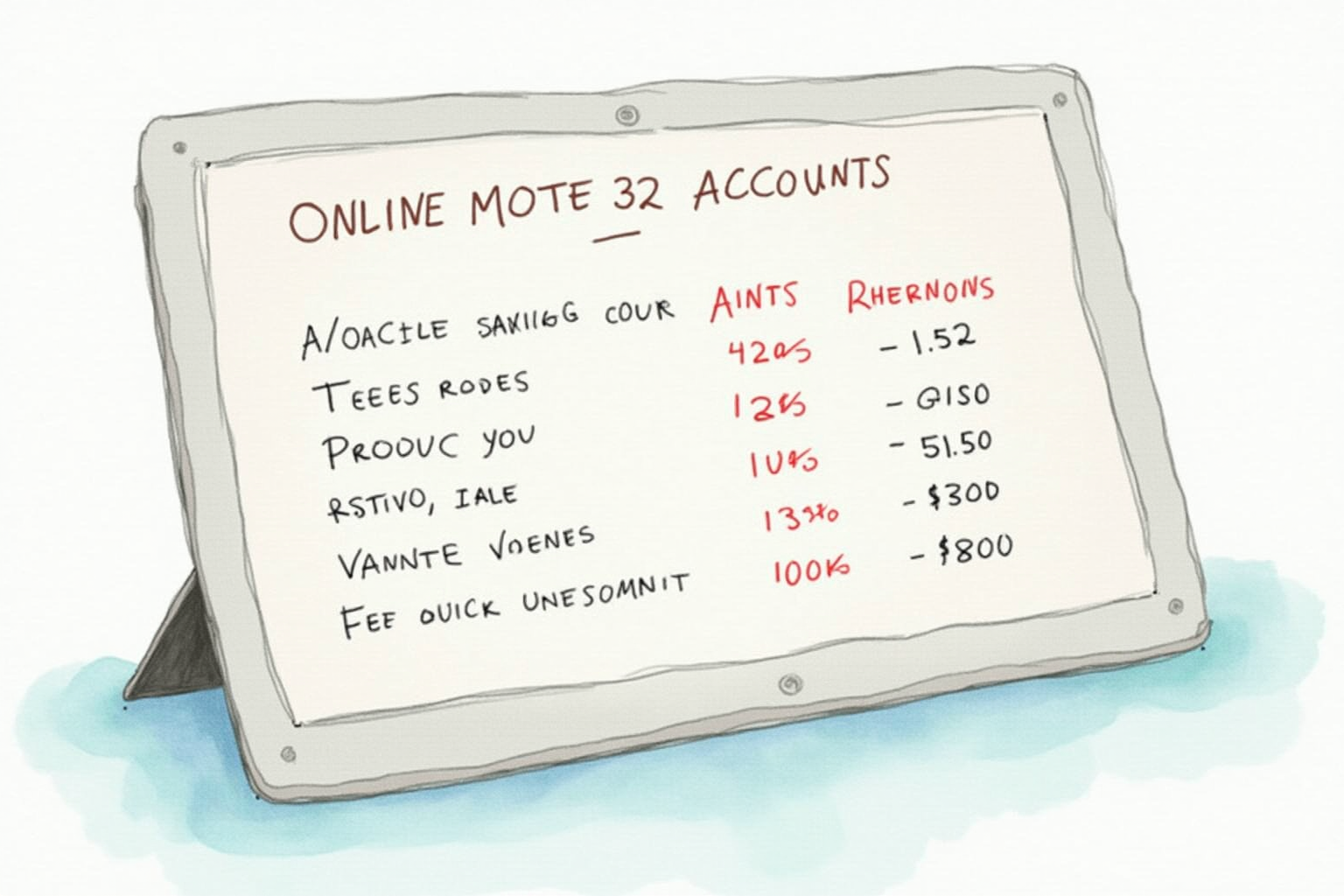
The advertised APY (annual percentage yield) is set by each bank based on three factors. The federal funds rate provides the baseline — when the Fed raises or cuts rates, HYSAs follow within 1-2 weeks. The bank’s deposit growth strategy can push their rate temporarily above or below market to attract or limit deposits. Promotional rates for new customers may briefly exceed standard rates, then revert.
Reading the fine print matters. Marcus and Ally maintain consistent high rates regardless of balance tier. SoFi offers slightly higher rates with direct deposit qualification. Some banks (American Express Personal Savings, Synchrony) tier rates by balance — checking which tier applies to your typical balance matters.
Top Pick — Marcus By Goldman Sachs
Marcus by Goldman Sachs Online Savings
Price · Free / 4.40-4.50% APY (variable)
+ Pros
- · No fees, no minimums, no balance requirements
- · Goldman Sachs banking backbone provides institutional reliability
- · Same-day ACH transfers to linked external accounts
- · Simple interface focused on savings rather than upsell
− Cons
- · No checking account integration — must link external bank
- · Limited bonus offers compared to SoFi or Capital One
Marcus is the right choice for most savers because of its combination of consistently competitive rates, zero fees, and the institutional backing of Goldman Sachs. The rate has tracked at or near the top of HYSA comparisons throughout 2024-2026. There are no minimum deposits, no minimum balance requirements, and no fees of any kind on the basic savings account. ACH transfers to your linked external bank settle same-day when initiated before 5 PM ET.
The honest limitation is the lack of integrated checking. Marcus is purely a savings vehicle — you maintain your checking account elsewhere (Chase, Capital One 360, or any other bank) and transfer to Marcus for higher yield. For users wanting integrated checking and savings, SoFi or Capital One 360 may suit better.
Integrated Pick — SoFi Bank For Bonuses And Combined Accounts
SoFi Checking + Savings
Price · Free / 4.60% APY savings + 0.50% checking with direct deposit
+ Pros
- · Highest standard APY among major HYSAs with direct deposit qualification
- · $300 signup bonus through direct deposit promotion
- · Integrated checking with debit card and ATM access
- · FDIC insurance up to $2M through partner bank network
− Cons
- · Highest APY requires monthly direct deposit qualification
- · Limited physical branch access compared to large banks
SoFi is the right choice for users wanting bundled checking and savings with the highest available APY. The 4.60 percent rate (as of our test period) leads the major-bank comparison set, conditional on monthly direct deposit qualification. The 300-dollar signup bonus (when meeting direct deposit requirements over 30-60 days) makes SoFi the highest first-year value HYSA for users meeting the requirements.
The integrated checking with debit card and free ATM access removes the friction of maintaining a separate checking account at a different bank. The IntraFi sweep network extends FDIC coverage to 2 million dollars across partner banks, eliminating the per-bank limit concern for high-balance savers. The qualification requirement (200-dollar monthly direct deposit minimum) suits W-2 employees better than freelancers with irregular income.
Reliable Pick — Ally Bank For Consistency
Ally Bank Online Savings
Price · Free / 4.20-4.30% APY (variable)
+ Pros
- · Strong customer service with 24/7 phone and chat support
- · Buckets feature segments savings into multiple goals visually
- · Round-up transfers automate savings from checking
- · Easy ACH transfers and Zelle integration
− Cons
- · Slightly lower APY than Marcus or SoFi typically
- · Mobile app dated compared to fintech competitors
Ally Bank is the right choice for savers prioritizing customer service quality and tools for goal-based savings over absolute highest APY. The customer service consistently ranks at or near the top of online bank comparisons — 24/7 phone access, average wait under 5 minutes, US-based representatives empowered to resolve issues without escalation. For users who occasionally need real human assistance with banking issues, the service quality matters.
The Buckets feature segments your savings account balance into named goals (Emergency Fund, Vacation, House Down Payment) visually without requiring separate accounts. This eliminates the friction of multiple savings accounts while maintaining the mental separation that helps achieving goals. The Round-Ups feature transfers spare change from checking to savings automatically — small dollars that add up to hundreds annually for many users.
What To Avoid
Three savings account categories should not be your default. Brick-and-mortar bank savings accounts (Chase, Bank of America, Wells Fargo standard savings) yield essentially zero and cost roughly 400-500 dollars annually in foregone interest on a 10,000 dollar balance. Free “savings” accounts at neo-banks without FDIC insurance (some buy-now-pay-later apps offer “savings”) lack the deposit insurance protection that justifies trust. Teaser-rate savings that revert to low APY after 90 days are common at promotion-heavy banks; verify the rate after promotional period before committing balance.
Diversification For Large Balances
For balances exceeding the 250,000 dollar FDIC limit at a single bank, deposit across multiple banks or use sweep account features that distribute balance across partner-bank network. SoFi’s network provides 2 million dollar coverage automatically. Wealthfront Cash provides similar coverage at competitive rates. For families with significant cash reserves (medical expenses, business operating capital, real estate down payment savings), this distribution matters meaningfully.
Bottom Line
Marcus for most savers due to consistent rates and zero friction. SoFi for users wanting bundled checking-savings and willing to maintain direct deposit qualification. Ally for users prioritizing customer service and savings-goal tools. The rate differences between these three are typically less than 50 basis points and matter less than the user experience and feature alignment with your needs.
For more savings strategy see our emergency fund analysis, CD ladder strategy, and savings category.