Charitable Giving Tax Strategies 2026: DAF, QCD, Bunching, Stock Donations
Tax-optimized charitable giving strategies for typical and high-income donors. Donor advised funds, appreciated stock gifts, QCDs, and bunching.
Charitable giving is one of the few financial activities that can simultaneously serve personal values and substantial tax optimization. The right strategy depends on your income level, asset composition, charitable goals, and whether you typically itemize deductions or take the standard deduction. We outline the four main charitable tax strategies and identify which fits which donor profile.
The Four Main Strategies

Donor Advised Funds. Charitable investment account where you contribute, deduct, then grant over time. Best for: donors with appreciated assets, irregular high-income years, ongoing charitable interests.
Appreciated Stock Donations. Donate stock that has gained value rather than selling and donating cash. Best for: donors with taxable investment accounts holding appreciated positions, especially long-term holdings.
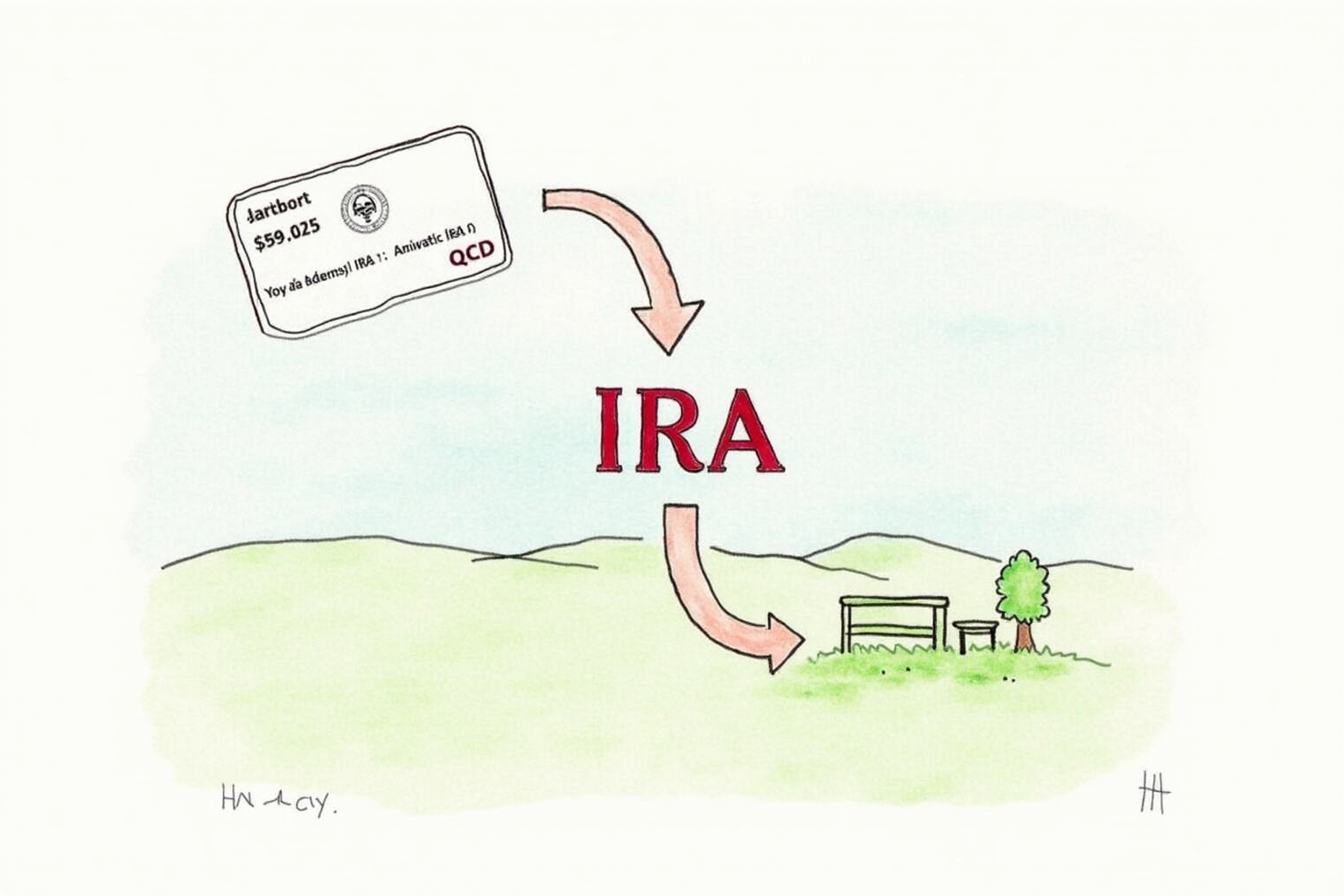
Qualified Charitable Distributions (QCDs). Direct IRA-to-charity transfers for retirees age 70.5+. Best for: retirees with RMDs who give charitably.
Bunching. Combine multiple years of donations into one tax year to exceed standard deduction threshold. Best for: typical donors who give 5-15K annually and otherwise wouldn’t itemize.
Each strategy has specific eligibility requirements and ideal use cases. Most donors benefit from one primary strategy; high-net-worth donors often combine multiple strategies.
Top Pick — Donor Advised Fund
Fidelity Charitable Giving Account
Price · $0 minimum to open / 0.6% admin fee
+ Pros
- · Largest DAF provider with strongest investment options
- · Accept most appreciated assets — stock, crypto, real estate
- · Online grant recommendations to any 501c3 charity
- · Strong investor education resources
− Cons
- · Annual admin fee (0.6%) on assets under management
- · Grants must go to qualified 501c3 organizations only
The Donor Advised Fund is the right primary strategy for most charitably-inclined donors with appreciated assets. The mechanic: you contribute cash or appreciated assets to the DAF, claim the full tax deduction in the contribution year, and recommend grants to specific charities over time. The DAF holds and invests the money; you don’t need to immediately know which charity gets what.
The tax advantages compound. Contributing appreciated stock provides deduction at fair market value plus avoidance of capital gains tax. The money grows tax-free within the DAF (no capital gains, no dividend tax). Grants to charities count as charitable distributions for the DAF, not taxable events for you.
Fidelity Charitable, Schwab Charitable, and Vanguard Charitable are the three major providers. All three accept appreciated stock, mutual funds, and increasingly crypto. Their fees are similar (0.5-0.6% annually for typical balances). Choose based on your existing brokerage relationship and investment platform preferences.
Appreciated Stock Donation Strategy

When you have stock that has appreciated significantly (typically 50%+ gain), donating shares directly to charity provides better tax outcome than selling shares and donating proceeds.
The math: 10,000 dollars of stock with 4,000 dollar cost basis (6,000 dollar unrealized gain).
Sell and donate cash: Sell triggers 900 dollars capital gains tax (15% rate). You have 9,100 dollars cash. Donate 9,100. Take 9,100 deduction (saves 2,184 dollars at 24% bracket). Net cost: 10,000 minus 2,184 = 7,816 dollars.
Donate stock directly: Charity receives 10,000 dollars stock. No capital gains tax (charity doesn’t pay tax on sale). You deduct 10,000 dollars (saves 2,400 dollars at 24% bracket). Net cost: 10,000 minus 2,400 = 7,600 dollars.
The stock donation saves 216 dollars compared to cash donation. The savings scale with gain percentage — for 90% gains, savings exceed 1,000 dollars on a 10,000 dollar donation.
Implementation: contact your brokerage to transfer specific shares to the charity’s account. The transfer takes 1-2 weeks. The charity typically liquidates the shares immediately and uses the proceeds.
Qualified Charitable Distribution For Retirees

QCDs are the most tax-efficient charitable strategy for IRA owners age 70.5+. The mechanic: direct transfer from your IRA to a qualified charity, up to 105,000 dollars per year (2026, indexed for inflation).
The benefits:
The QCD counts toward your required minimum distribution (RMD) but is not included in your taxable income. For a retiree with 50K dollar RMD who would otherwise pay 24% federal plus state taxes on the distribution, redirecting 25K of the RMD to charity via QCD saves 6,000+ dollars in taxes.
The reduced taxable income may also lower your Medicare IRMAA premiums and Social Security taxation, providing additional indirect benefits.
QCDs benefit non-itemizers especially. Standard deduction users don’t get tax benefit from cash donations made from their checking account. QCDs from IRA effectively provide the deduction even when standard deduction is claimed.
To execute: contact your IRA custodian and request a QCD payable directly to the charity. Most major IRA custodians have QCD request forms. The check goes from IRA to charity directly, never passing through your hands (this is required for tax treatment).
Bunching Strategy For Standard Deduction Filers
The 2017 Tax Cuts and Jobs Act roughly doubled the standard deduction, making itemized deduction (which includes charitable contributions) less common for typical taxpayers. Bunching is the workaround.
Standard deduction in 2026: roughly 14,600 dollars (single) or 29,200 dollars (married filing jointly).
A typical donor gives 10,000 dollars annually. Combined with state and local tax deduction (capped at 10K) and mortgage interest, total itemized deductions reach maybe 25K. Below standard deduction threshold. So the donor takes standard deduction, getting zero specific tax benefit from charitable giving.
Bunching solution: Skip donations in years 1 and 2. Make 30K dollars donation in year 3 (3 years of giving combined). Year 3 itemized deductions: 30K charitable + 10K SALT + 5K other = 45K. This exceeds standard deduction, saving 15K worth of tax-deductible space (45K minus 30K standard). At 24% federal rate, this saves 3,600 dollars compared to standard deduction.
Combine with DAF for cleanest execution. Year 3, contribute 30K to your DAF. Take the immediate tax deduction in year 3. Recommend grants of 10K annually from the DAF to your usual charities. The charities receive their normal annual support; you save thousands in taxes via the bunching maneuver.
Setup Recommendations
For donors giving 5K+ annually with appreciated assets: open a Donor Advised Fund at Fidelity, Schwab, or Vanguard Charitable. Contribute appreciated stock to fund it. Recommend grants as you normally would have given.
For retirees age 70.5+ with IRAs and charitable interests: use QCDs as your primary giving vehicle up to 105K annually.
For typical donors giving 5-15K annually who don’t normally itemize: bunch 2-3 years of donations into one year via DAF contribution, then resume annual grants from DAF.
For high-net-worth donors (5M+) with sophisticated estate planning needs: work with an estate attorney to evaluate charitable trusts (CRT, CLT) alongside DAF and direct giving.
What To Avoid
Three charitable giving mistakes are common. Cash donations of appreciated stock — sell and donate cash forfeits the capital gains avoidance benefit worth hundreds to thousands of dollars per gift. Donations to non-501c3 organizations (some international charities, certain advocacy groups) that don’t qualify for tax deduction. Inadequate documentation — donations over 250 dollars require written acknowledgment from the charity, donations over 5,000 dollars of non-cash assets require Form 8283 plus qualified appraisal.
Bottom Line
Donor Advised Funds for most charitably-inclined donors with appreciated assets. Appreciated stock donations whenever you have significant unrealized gains in taxable accounts. QCDs for retirees age 70.5+ with IRAs. Bunching for typical donors who don’t normally itemize. Combine strategies for maximum benefit at higher income levels.
For more tax strategy see our backdoor Roth guide, mega backdoor Roth, and tax strategy category.