Grocery Price Spike Meal Plan: Sinking Fund and Pantry Buffer Without Waste
A grocery price-spike plan for households: meal anchors, pantry buffers, unit-price checks, sinking funds, and waste control when food costs jump.

This guide is current as of 2026-06-10 and is written for helpful-content and AdSense readiness: it uses source-backed guidance, practical caveats, and no affiliate filler.
Quick decision table
| Decision point | Safer default | What to avoid | Evidence to keep |
|---|---|---|---|
| First action | Make a small repeatable plan | Rushing during the stressful moment | A dated checklist |
| Tools or supplies | Use simple items you already understand | Buying a gadget before defining the risk | Photos or notes kept privately |
| Timing | Review before the problem escalates | Waiting until the appointment, trip, incident, or bill is due | Calendar reminder |
| Escalation | Know when to ask a professional | Treating online advice as diagnosis or legal/financial certainty | Source links and contact records |
| Privacy | Share only what is needed | Publishing private records, screens, labels, or account details | Redacted summary |
Step 1: A grocery price spike feels personal because it hits every week
A grocery price spike feels personal because it hits every week. The safest response is not panic-buying or skipping meals; it is a short list of meal anchors, a modest pantry buffer, unit-price discipline, and a sinking fund that smooths high-cost weeks. This guide is current as of June 2026 and points readers to USDA, BLS, MyPlate, and food-safety sources for facts that can change.

Step 2: Start with three meal anchors your household will actually eat: one brea
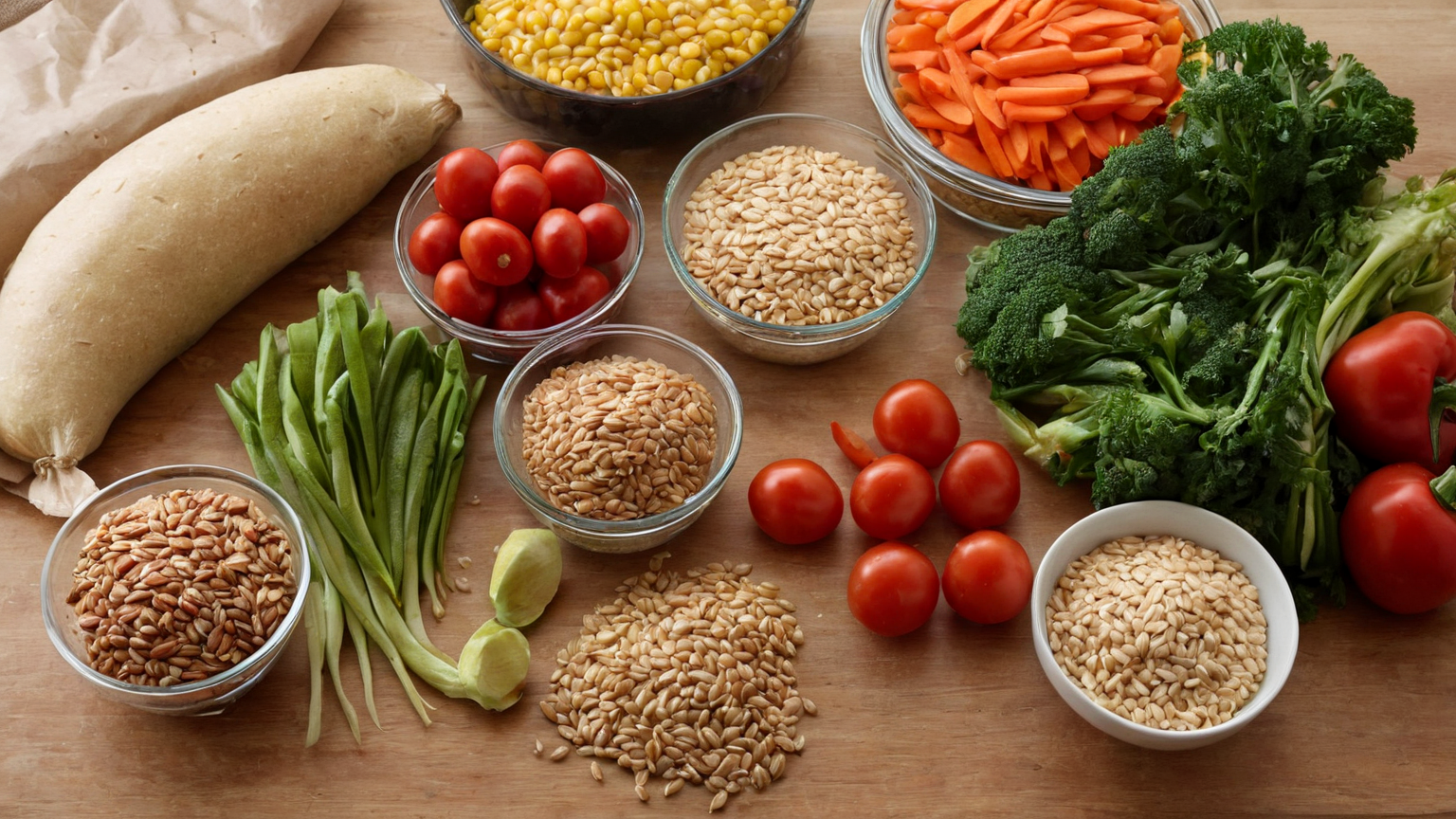
Start with three meal anchors your household will actually eat: one breakfast, one flexible lunch, and one dinner base. Examples include oats and fruit, rice bowls, pasta with vegetables and beans, eggs with toast, soup, or tacos. The anchor is not boring; it is a reliable default when prices move.
Step 3: Create a pantry buffer, not a hoard
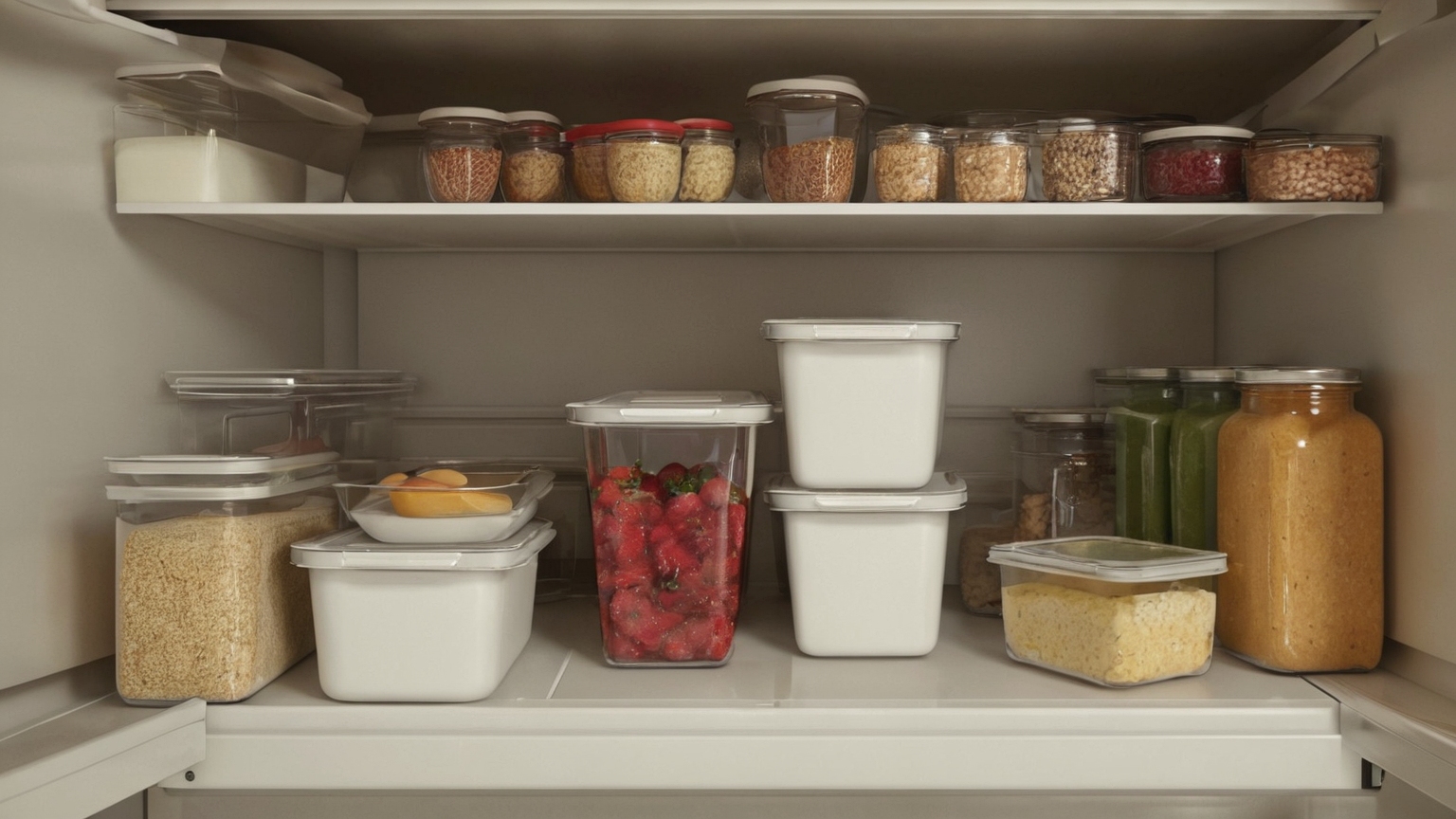
Create a pantry buffer, not a hoard. Keep one or two extra weeks of shelf-stable basics you rotate before expiration: grains, beans, canned tomatoes, nut butter, broth, frozen vegetables, and simple proteins that match your cooking. Do not buy bulk items you routinely throw away.

Step 4: Use unit prices and substitution rules
Use unit prices and substitution rules. If chicken, berries, cereal, or snacks jump sharply, switch to a planned substitute instead of rewriting the whole menu in the aisle. A rule made at home prevents stress decisions at the store.

Step 5: Build a grocery sinking fund
Build a grocery sinking fund. Add a small amount each paycheck to absorb holidays, guests, school breaks, or seasonal price jumps. The point is not a separate bank account for everyone; it is a visible category that prevents groceries from crowding rent, utilities, transportation, or debt minimums.
Step 6: Protect food safety while saving
Protect food safety while saving. Cooling leftovers quickly, labeling dates in your own system, freezing portions, and using the FoodKeeper guidance can save more than extreme couponing. Never stretch leftovers that smell wrong, were held unsafely, or are past safe handling.
Step 7: Review the plan monthly
Review the plan monthly. Compare planned meals with what was actually eaten, track waste, move slow items into next week’s menu, and adjust the sinking fund. Helpful content means the reader leaves with a repeatable process, not a guilt lecture or affiliate product list.
Practical checklist
- Confirm the current official or expert source before acting on stale-prone details.
- Write the plan in household language so another caregiver, teammate, or family member can follow it.
- Separate urgent red flags from ordinary maintenance tasks.
- Keep private records private; redact labels, account details, medical information, and financial numbers before sharing.
- Review the plan after the real event and improve the weakest step.
Common mistakes
| Mistake | Why it weakens the plan | Better replacement |
|---|---|---|
| Buying first | Tools do not fix unclear decisions | Define the risk and fallback first |
| Keeping no notes | Stress makes details unreliable | Keep a short dated log |
| Ignoring privacy | Helpful records can expose sensitive data | Store privately and share only with the right professional |
| Overgeneralizing | Households, teams, pets, and budgets differ | Adapt the checklist to the actual situation |
| Skipping review | Conditions change | Recheck sources and update seasonally |
Source notes
The linked sources were selected for practical authority and reader usefulness. If a vendor, government, veterinary, security, workplace, or tax rule changes after publication, verify the linked source before making a high-stakes decision.
Run the matching calculator
Turn this guide into a number you can use. Inputs stay in your browser.
Open the toolkit